
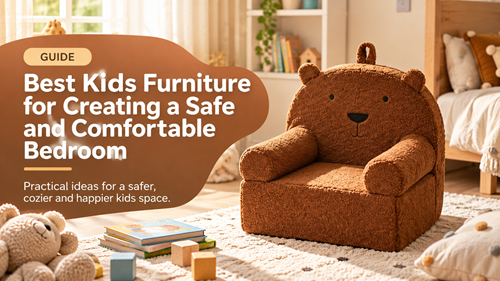
kids furniture is easiest to choose when parents start with the room, the child’s age, and the daily routine instead of shopping by appearance alone. A bedroom usually needs fewer well-chosen pieces than a crowded collection of themed furniture. The right choice should support safe movement, comfortable use, practical cleanup, and enough flexibility for the room to keep working as needs change.
Beds, storage, seating, desks, and open floor space should work together rather than compete for the same footprint. This guide focuses on measurements, access, materials, stability, storage, and everyday use so families can compare options without turning the room into a collection of oversized or poorly matched pieces.
Kids Furniture: Fit, Function, and Daily Use
Start with the bed position and walking path, then place storage and activity furniture around those fixed zones. A useful buying decision separates the footprint of the furniture from the clearance required to sit, open drawers, climb a ladder, pull out a chair, access storage, make the bed, or walk past the piece.
Furniture height should match the child’s ability to reach shelves and drawers without creating a reason to climb. Parents should also consider where the furniture will sit in relation to windows, heaters, doors, outlets, ceiling fans, cords, and other pieces a child could use as climbing steps.
For kids furniture, the best test is whether the piece makes the room easier to use on an ordinary weekday. If children cannot reach what they need, if adults cannot clean around it, or if one feature blocks another part of the room, the product is not truly space-efficient.
Six Buying Questions to Work Through
Plan the Bedroom Around Core Furniture
Choose the few pieces that support sleep, clothing, reading, and play before filling secondary corners. children bedroom furniture Use the linked page as one comparison point, then confirm the current dimensions, materials, age guidance, weight limits, and assembly instructions on the exact product being considered.
Use Room Ideas That Protect Floor Space
Treat open floor area as part of the design because children need room to move, dress, and play. kids room ideas Use the linked page as one comparison point, then confirm the current dimensions, materials, age guidance, weight limits, and assembly instructions on the exact product being considered.
Put Stability Ahead of Decorative Features
Rounded edges, secure hardware, stable bases, and appropriate anchoring matter more than novelty details. safe furniture for kids Use the linked page as one comparison point, then confirm the current dimensions, materials, age guidance, weight limits, and assembly instructions on the exact product being considered.
Balance Modern Styling With Daily Use
Simple finishes can work well when drawers, rails, handles, and clearances remain practical for children. modern kids furniture Use the linked page as one comparison point, then confirm the current dimensions, materials, age guidance, weight limits, and assembly instructions on the exact product being considered.
Create One Clear Bedroom Setup
Map the bed, storage, reading, and dressing zones so doors and drawers do not collide. bedroom setup Use the linked page as one comparison point, then confirm the current dimensions, materials, age guidance, weight limits, and assembly instructions on the exact product being considered.
Match Furniture to the Child
Seat height, reach distance, grip, and visibility should suit the child using the room rather than only the adult assembling it. child friendly furniture Use the linked page as one comparison point, then confirm the current dimensions, materials, age guidance, weight limits, and assembly instructions on the exact product being considered.
Kids Bedroom Furniture Planning Table
Compare each major piece by the job it needs to perform and the clearance it requires. A simple room plan is often more useful than comparing long feature lists because it reveals which details actually change comfort, safety, storage, or movement.
| Decision Point | What to Check | Why It Matters |
|---|---|---|
| Bed | Mattress size, guardrails, access | Sets the room’s largest fixed footprint |
| Wardrobe or dresser | Drawer swing and anchoring | Controls clothing storage and tip risk |
| Desk or table | Seat height and light | Supports focused activities |
| Book or toy storage | Child reach and stability | Improves independent cleanup |
| Open floor | Clear route from bed to door | Supports safe movement at night |
Build the Room in Layers Instead of All at Once
Install the largest required pieces first and live with the room before filling every wall. Keep the first setup simple enough that the child and caregiver can repeat it without moving several other objects each time the furniture is used.
Keep frequently used clothing, books, and toys within easy reach and move occasional items higher only when that does not encourage climbing. Recheck the layout after a week of normal use. Small adjustments to chair position, storage zones, bedding, basket placement, or access paths can make a larger difference than adding another piece of furniture.
Before the Furniture Goes Into Daily Use
- Measure every wall and doorway
- Mark bed and drawer clearances
- Keep exit paths open
- Anchor furniture as directed
- Check sharp corners and protruding hardware
- Keep climbable furniture away from windows
- Place heavy items low
- Recheck the room as the child grows
As children grow, revisit kids furniture rather than assuming the first setup should remain permanent. Check fit, posture, reach, clearance, hardware, and storage habits whenever the room starts feeling crowded or the child begins using the furniture differently.
Make Furniture Stability Part of the Bedroom Plan
Children may pull drawers, lean on shelves, and use nearby objects as steps even when adults do not expect climbing. Follow the exact manufacturer instructions for assembly, weight limits, guardrails, anchors, ladders, mattresses, and wall clearance where they apply. Never improvise around a missing fastener or damaged structural part.
For broader furniture safety, review the CPSC Anchor It furniture tip-over guidance. Tall or climbable furniture deserves particular attention because drawers, shelves, rails, and decorative surfaces can attract children even when the piece was not designed for climbing.
Keep cords, lamps, heavy decor, and unstable accessories out of reach and do not place climbable furniture where it gives access to windows or blind cords. Stop using a piece if it becomes unstable, cracked, loose, sharply damaged, or difficult to operate safely until it is repaired or replaced according to the manufacturer’s directions.
Choose a Bedroom That Works Beyond the First Photo
A safe comfortable room usually comes from coordinated proportions, clear movement, and storage children can actually use. The most useful furniture earns its space by solving a recurring household problem without making another part of the room harder to use.
The final decision on kids furniture should come from measured room fit, current manufacturer information, the child’s age and abilities, and a routine the family can maintain. Good design is not just how the room looks on day one; it is how safely and comfortably the room works after months of normal use.
Frequently Asked Questions
How much furniture does a child bedroom need?
Start with sleep, storage, and one main activity zone, then add pieces only when they solve a clear need.
Should all kids furniture match?
No. Matching scale, function, and a limited color palette is often more useful than buying one complete set.
When should tall furniture be anchored?
Follow the manufacturer’s instructions and current safety guidance; tall or climbable pieces may require anti-tip securing.
How much walking space should be left?
Leave clear practical paths around the bed, doorway, storage, and any chair that needs to pull out.
Can furniture grow with a child?
Some pieces can, but only when seat height, storage reach, weight limits, and safety features remain appropriate.
