
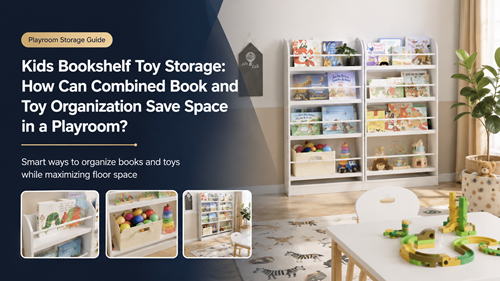
Kids Bookshelf Toy Storage is worth evaluating in the context of the whole room, not as a standalone product. A combined unit can reduce the number of separate storage pieces in a room, but it works only when books remain easy to browse, toys remain easy to return, and the unit fits the child’s reach without encouraging climbing.
This guide is written for parents with compact playrooms who want one furniture footprint to hold reading materials and frequently used toys. The aim is to compare fit, daily use, organization, assembly, maintenance, and safety before purchase so the furniture solves a repeatable household need rather than adding another object to manage.
How To Evaluate Kids Bookshelf Toy Storage In A Real Room
The current site listing describes a fabric-and-wood organizer with book and toy zones, anti-tip straps, non-slip pads, and a footprint around 11.81 inches deep by 32.8 inches wide by 29 inches high. Those details make wall placement, floor stability, and child access central to the buying decision.
For Kids Bookshelf Toy Storage, the most useful comparison is between the furniture’s stated features and the exact behavior expected in the home. Measure the product location, the clearance needed while it is being used, and the path children and caregivers take around it. A dimension that looks compact on a product page can feel very different once doors, chairs, drawers, costumes, bins, or bedding move into their full-use position.
Before ordering, check the current product page for dimensions, materials, included components, age guidance, assembly requirements, maintenance instructions, and any load or mattress limits that apply. Product listings can change over time, so a buying decision should use the current model information rather than a remembered specification.
Design One Storage Zone Around Two Different Habits
Books Need Visibility More Than Deep Capacity
Forward-facing covers or shallow accessible shelves make it easier for younger children to choose a book. Deep stacks may hold more titles but can turn reading material into hidden inventory rather than a usable library.
Toys Need Fast Return Paths
Toy bins work best for categories that can be identified at a glance. Keep the number of sorting rules low enough that a child can complete cleanup independently, and use small inner containers for tiny pieces when needed.
The Unit Should Preserve Open Floor
Combined furniture earns its footprint when it replaces two separate pieces. Measure the wall width and depth, then confirm that doors, drawers, play mats, and walking paths still work when bins or books are being accessed.
Build A Storage Routine Children Can Understand
Use related products and categories as comparison points rather than as a checklist of items to buy. Each link below answers a different planning question, so parents can compare only the furniture types that match the child’s actual routine.
A bookshelf with integrated toy bins shows another way to divide visible books and loose toys in one vertical station.
For compact playroom organization furniture, compare depth as carefully as width because shallow storage can preserve more usable play floor.
A childrens reading and storage station can prioritize book browsing, which may be better when reading is the main activity and toys already have another home.
When evaluating dual purpose nursery shelving, check whether the storage zones remain appropriate as nursery items give way to toddler books and toys.
The exact scheduled book and toy sorting unit should be checked for current dimensions, materials, anti-tip hardware, and assembly information.
For small room storage for children, compare combined furniture with a separate low toy organizer to see which option leaves the clearer walking path.
Book-And-Toy Storage Layout Choices
This comparison turns product features into room-planning questions. Use the final manufacturer specifications for the exact model when a measurement, load, mattress, age, or assembly detail affects the decision.
| Feature or Use | Potential Benefit | Planning Check |
|---|---|---|
| Forward-facing books | Fast title selection | Uses more display width per book |
| Open toy bins | Quick cleanup | Needs simple categories |
| Shallow footprint | Preserves play floor | May hold fewer bulky toys |
| Low child access | Supports independence | Upper zones should not tempt climbing |
| Anti-tip hardware | Adds stabilization when correctly installed | Requires suitable wall installation |
| Combined footprint | Can replace two pieces | Needs balanced capacity for both books and toys |
Stability And Child-Safe Storage Habits
Any low shelf can become a climbing target if appealing toys are placed too high. Follow the supplied anti-tip instructions, keep heavy objects low, and avoid placing tempting items on top of the unit where a child would need to climb to reach them.
The CPSC recommends securing furniture that can tip. Review its childproofing guidance for furniture and TVs when choosing the wall location and installing stabilization hardware.
Before The Furniture Goes Into Daily Use
- Measure the wall and baseboard clearance
- Count the books used weekly
- Group toys by realistic cleanup categories
- Keep heavy items low
- Install supplied anti-tip hardware as directed
- Check bins for snagged fabric or loose parts
- Leave a reading spot near the book section
- Rotate overflow toys instead of overfilling bins
After assembly, observe the furniture during the first several days of normal use. Check for rocking, shifting, loosening fasteners, drawers or wheels that behave differently under load, and any new reach or climbing opportunity the furniture creates. Reassess the setup as the child grows because a room that is appropriate today may need different controls later.
Choose Storage That Makes Resetting The Room Easier
Kids Bookshelf Toy Storage works best when it simplifies two routines at once: choosing a book and returning a toy. The right unit preserves floor space, keeps high-use items within an appropriate reach zone, and has enough capacity that books and toys do not spill into each other’s sections.
The final decision on Kids Bookshelf Toy Storage should come from measured room fit, current product specifications, the child’s ability, and a realistic daily routine. A feature is valuable only when the family can use it consistently without creating avoidable clutter, awkward access, or new safety problems.
Frequently Asked Questions
Is combined book and toy storage better than separate furniture?
It can save floor space, but separate pieces may offer more capacity. Choose based on the collection size and room layout.
Should books be stored on the top section?
Place books where children can browse safely without climbing. The exact shelf arrangement should match the child’s height and the manufacturer design.
Do all kids bookshelves need to be anchored?
Follow the manufacturer instructions. If anti-tip hardware is supplied or anchoring is recommended, install it into a suitable wall structure.
How many toy bins are practical?
Use enough categories to make cleanup obvious, not so many that sorting becomes a complicated task.
What should be stored low on the unit?
Heavier books, dense toy bins, and frequently used items generally belong in lower, stable access zones when the product design allows it.
